

0 Comments Click here to read/write comments
Topics: mobile command, mobile incident software, Fire Command, Rapid Accountability, Incident Sharing
0 Comments Click here to read/write comments
Topics: incident command, incident management software, incident management
0 Comments Click here to read/write comments
Topics: mobile command, mobile incident software, incident command, incident management software, incident response

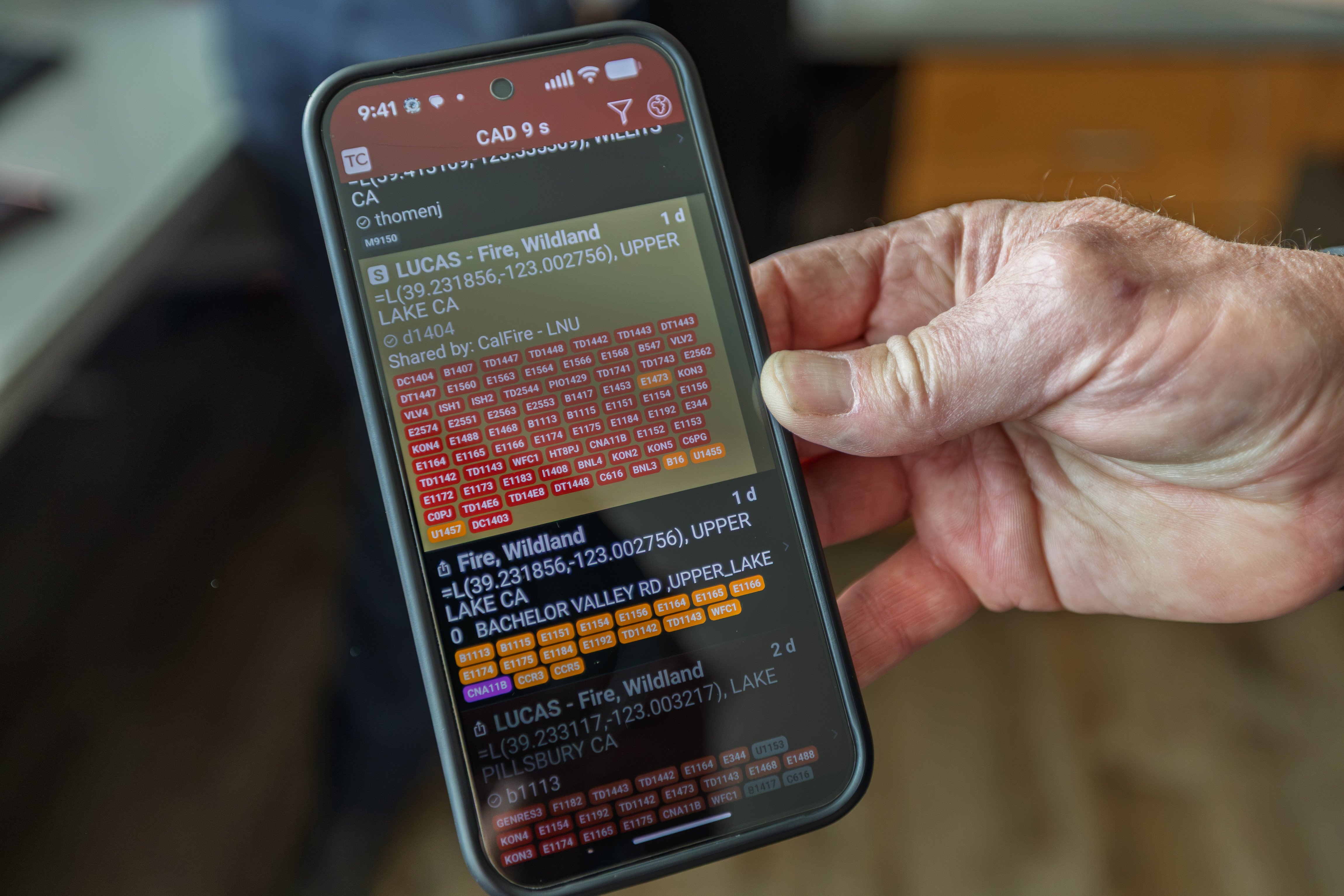
For decades, the Mobile Data Terminal (MDT)- or Mobile Data Computer (MDC)- has been the default way to bring CAD information into the cab. It works, but it was largely built as an extension of the communications center: functional, text-heavy, and optimized for dispatch workflows more than responder workflows.
0 Comments Click here to read/write comments

When station alerting goes off, the response begins. Crews check the incident location, review cross streets and hydrant maps, then gear up and board the rig. In the cab, the captain monitors the Mobile Data Terminal (MDT), connected to the Computer-Aided Dispatch (CAD) system, and relays updates from dispatch. These may include a call being upgraded to a cardiac arrest or a fire incident adding details about a trapped occupant.
0 Comments Click here to read/write comments
Topics: incident management software

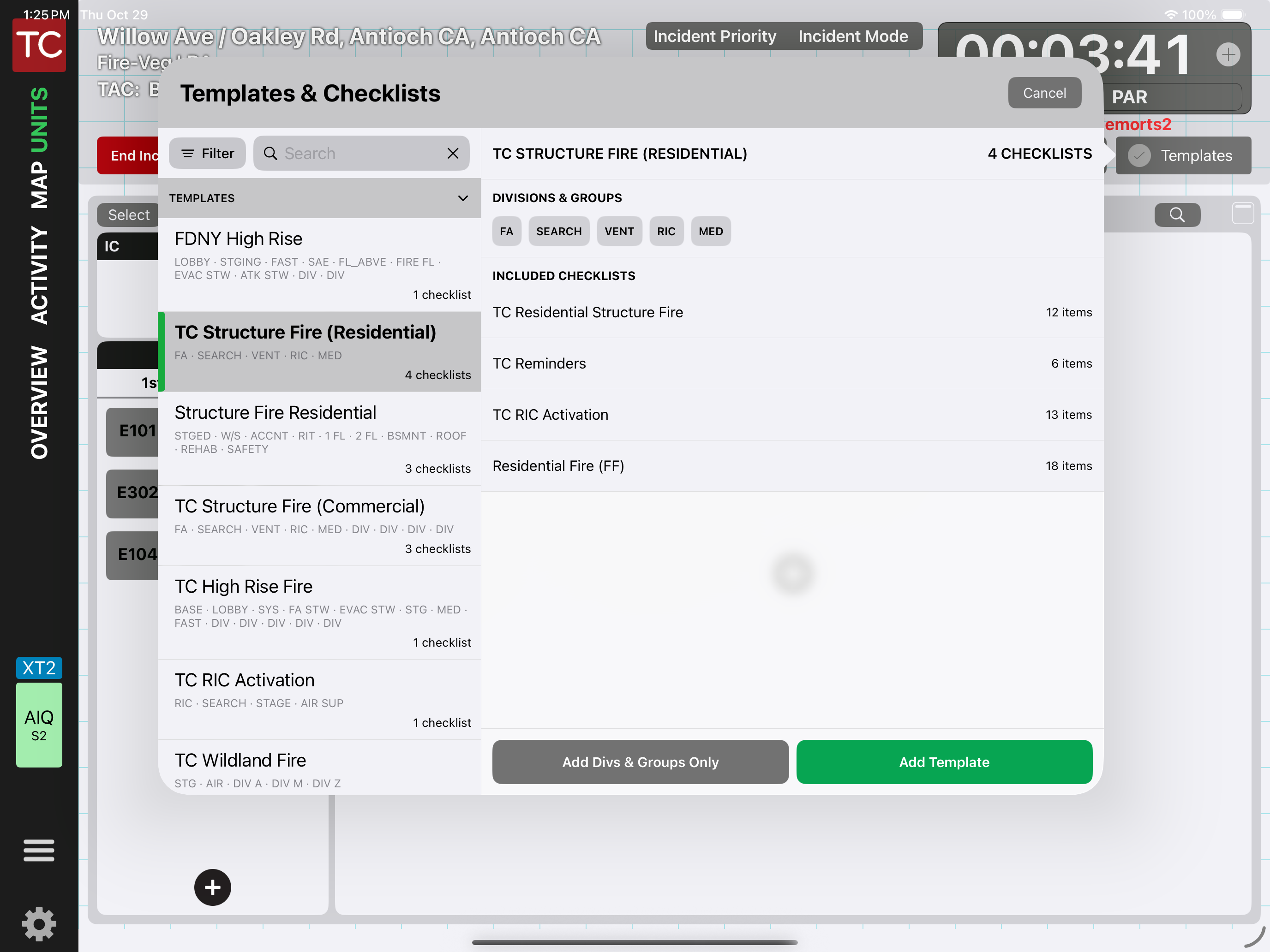
The complexity of emergency response continues to grow. Multi-alarm fires, large-scale incidents, and regional mutual aid require coordination that goes beyond maps, whiteboards, or memory. Tablet Command was created to meet this need by giving every responder real-time access to the same critical information.
0 Comments Click here to read/write comments
Topics: Fire Command, technology

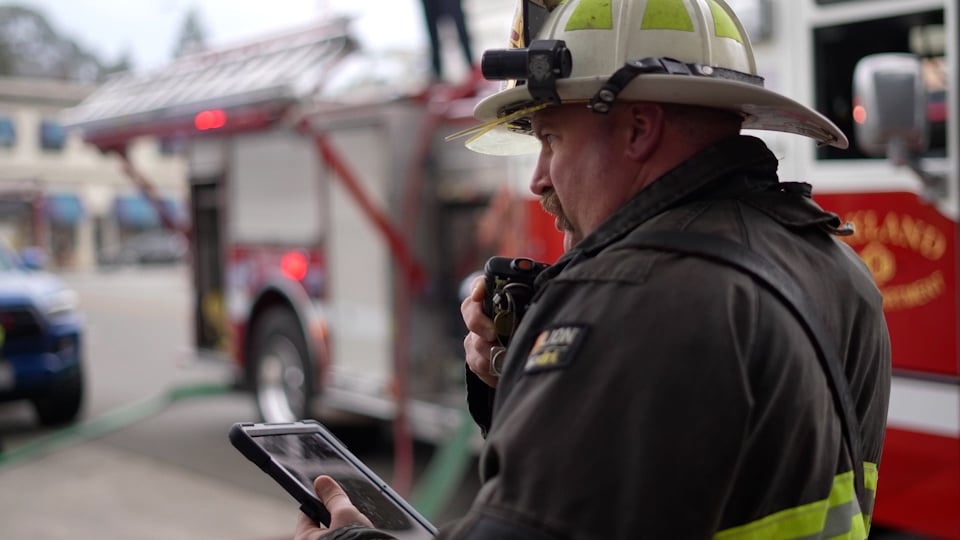
On the fireground, a whiteboard has long been a trusted tool. Commanders sketch divisions, write assignments, and track accountability. It works, but it has limits. A marker and board can only capture so much, and the information stays at the tailboard.
0 Comments Click here to read/write comments
Topics: incident response, technology

As an Assistant Fire Chief, one critical way I stayed ahead of significant weather events was by subscribing to iNWS (Integrated National Weather Service) Mobile Alerts. Whether it was high temperatures, high winds, or red flag warnings, having foresight into these events was paramount. iNWS allowed me to be proactive in my decision-making, giving me and thus my team, the advanced notice to prepare for what was coming.
0 Comments Click here to read/write comments
Topics: mobile incident software, iNWS

The Challenge of Commanding with Limited Tools
0 Comments Click here to read/write comments
Topics: Fire ground accountability, technology